
How Long Do Tile Roofs Last in Dallas Weather?
Tile roofing is one of the longest-lasting roofing systems you can install, but North Texas weather puts every material to the test. Between hailstorms, high winds, scorching UV exposure, and big temperature swings, homeowners often ask me the same question:
“How long do tile roofs really last in Dallas?”
As the owner of Shepherd Tile Roofing, I’ve inspected, repaired, and replaced tile roofs all over DFW — from Spanish clay to concrete tile to synthetic blends. And while tile roofs are incredibly durable, their lifespan depends on several factors most homeowners never hear about.
Here’s a breakdown of what affects tile roof lifespan in Dallas, including the various factors that influence durability, what maintenance is required, and when it’s time to start planning for replacement.
How Long Tile Roofs Typically Last in Texas
Tile roofs are famous for their longevity — some last 100+ years in mild climates. But Texas is not mild.
Here’s the realistic tile roof lifespan for Texas homes:
- Concrete tile: 30–50 years
- Clay tile: 50–70 years
- Synthetic tile: 40–60 years
- Underlayment: 12–25 years (this fails before the tiles do)
The truth is this:
Tile roofs rarely fail because of the tile. They fail because the underlayment wears out.
The Texas heat dries out underlayment faster than almost anywhere else in the country. Once it cracks or deteriorates, water starts to penetrate under the tile system.
Concrete vs. Clay Tile Lifespan
Different tile materials hold up differently in North Texas weather.
Concrete Tile
- Very durable
- Heavier than clay
- More affordable
- Lifespan: 30–50 years
Concrete absorbs more water than clay, making it more susceptible to freeze-thaw cycles — especially in areas north of Dallas.
Clay Tile
- Traditional Spanish/mission style
- Naturally dense, low water absorption
- Won’t fade in the sun
- Lifespan: 50–70+ years
Clay tiles handle Southlake, Plano, and Highland Park weather extremely well.
Synthetic Tile
- Lightweight
- Designed for impact resistance
- Lifespan: 40–60 years
Often installed as a cost-effective alternative to natural clay.
How North Texas Weather Impacts Tile Roof Longevity
Texas weather is unpredictable, and tile roofs experience unique stresses here:
1️⃣ Extreme Heat
Attic temperatures reach 150°F+ in summer.
This accelerates underlayment breakdown.
2️⃣ Hailstorms
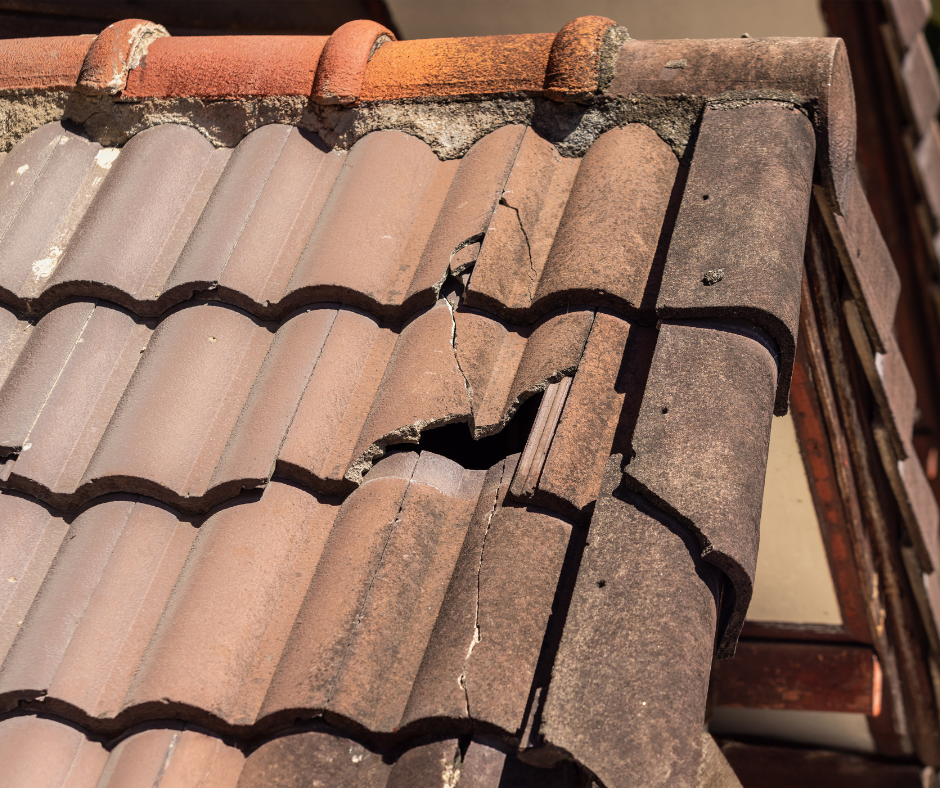
Tiles are strong, but large hail can crack them.
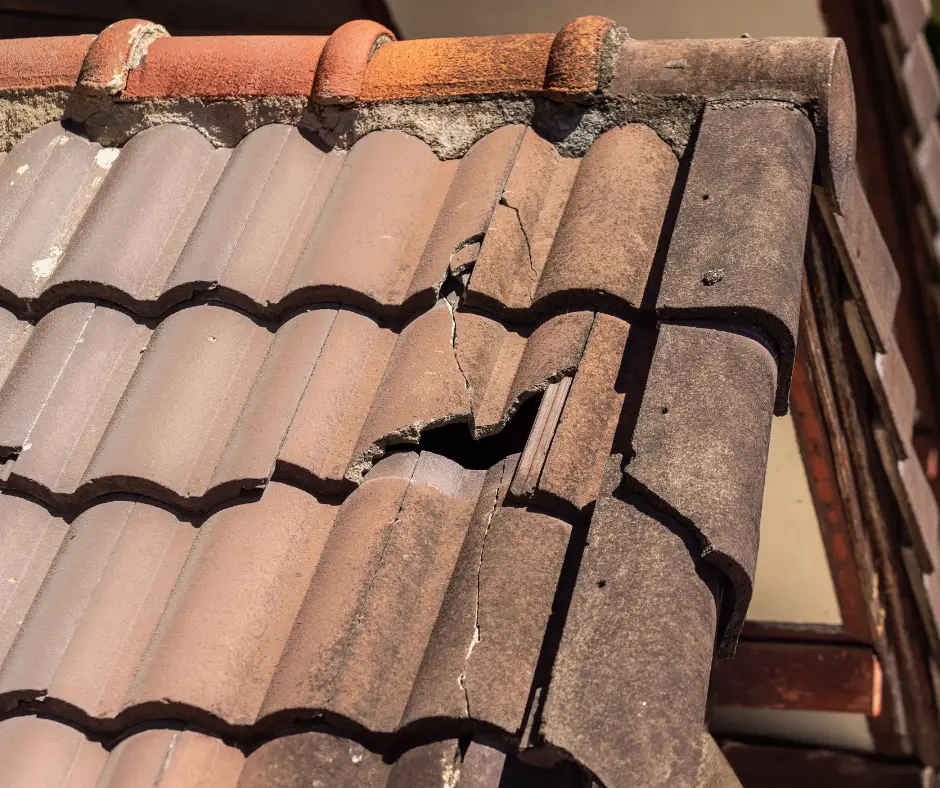
Even a few broken tiles can expose your underlayment.
3️⃣ Heavy Winds
Improperly fastened tiles can lift or shift.
4️⃣ Freeze–Thaw Cycles
Concrete tiles expand/contract as moisture freezes — shortening lifespan.
5️⃣ UV Exposure
Long-term UV exposure dries out flashing and felt layers.
Why the Underlayment Matters More Than the Tiles
Many homeowners assume their tile roof lasts 50–100 years. Technically true — the tiles can.
But the underlayment usually lasts 12–25 years in Texas, depending on:
- Roofing felt vs. synthetic underlayment
- Installation quality
- Ventilation
- Exposure to heat
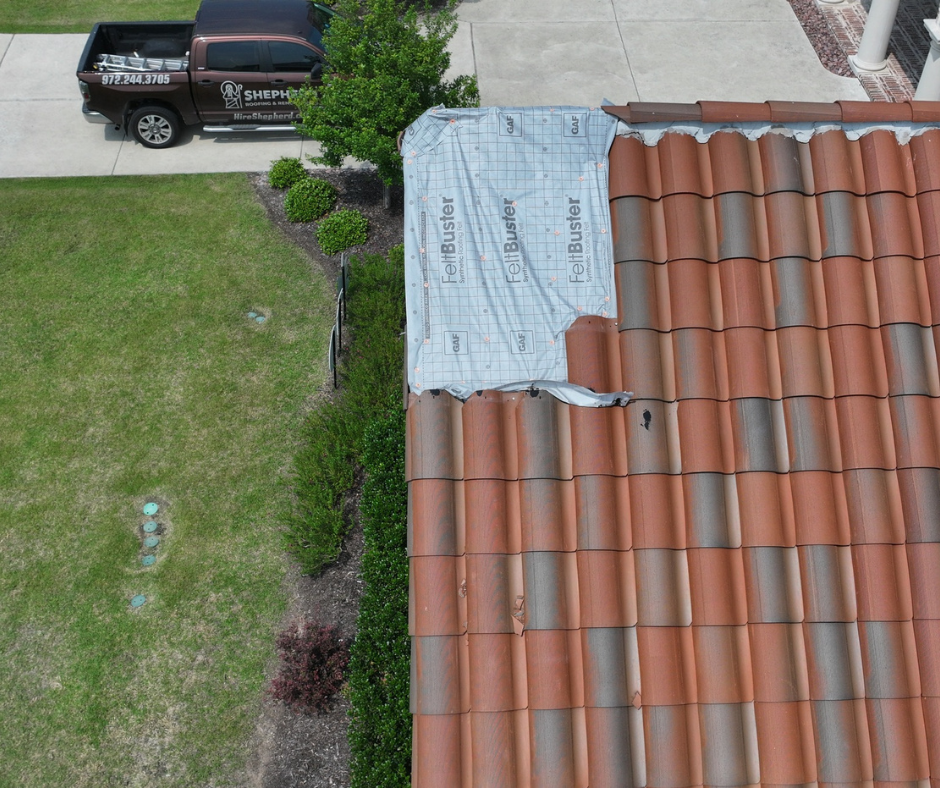
Once the underlayment fails, leaks begin — even if the tiles look perfect.
This is why “tile roof replacements” in Texas often mean:
keeping the tile → replacing all underlayment + flashings → reinstalling the tile.
Signs Your Tile Roof Needs Maintenance or Replacement
If you notice any of these, it’s time for an inspection:
Exterior Signs
- Slipped or missing tiles
- Cracked or fractured tiles
- Moss or mildew around valleys
- Rusted or failing flashing
- Debris buildup under tiles
- Tile displacement after windstorms
Interior Signs
- Ceiling stains
- Musty smells
- Attic moisture
- Visible light through decking
Underlayment Failure Indicators
- Chronic leaks despite patching
- Water trails under tile
- Rotting fascia board
- Active leaks during wind-driven rain
Don’t ignore small leaks — they almost always signal underlayment deterioration.
How to Extend Your Tile Roof Lifespan in Texas
Here’s how homeowners can protect their investment:
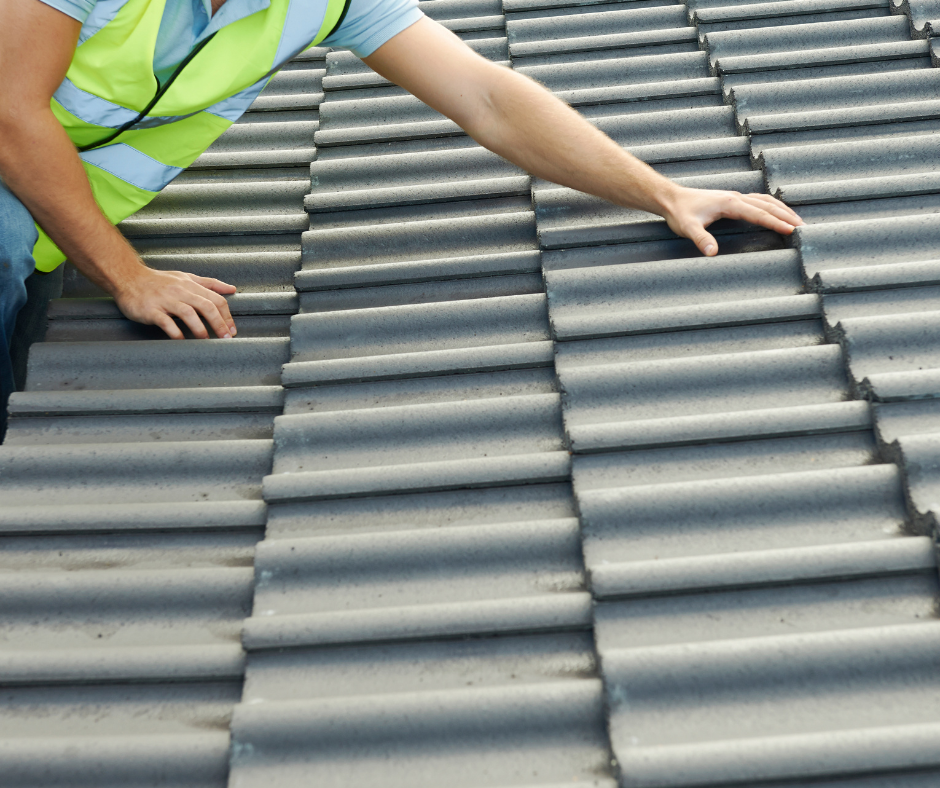
✔️ Schedule inspections every 2–3 years
Tile roofs hide damage — cracked tiles aren’t always visible from the ground.
✔️ Clean debris from valleys and channels
Debris traps moisture and causes underlayment rot.
✔️ Repair cracked or slipped tiles immediately
A single missing tile lets water damage spread quickly.
✔️ Maintain proper attic ventilation
Cooler attics extend underlayment life.
✔️ Use premium underlayment for replacements
High-temp synthetic underlayment dramatically increases lifespan.
✔️ Hire a tile roofing specialist
Tile roofs require specific tools and installation methods — not every roofer is trained for it.
Why Homeowners Trust Shepherd Tile Roofing
We specialize exclusively in:
- Clay tile
- Concrete tile
- Specialty tile
- Tile repair
- Underlayment replacement
Homeowners choose us because we deliver:
- Proper tile removal and reinstallation
- High-temp, long-lasting underlayment
- Clean flashing and valley work
- Photo-documented inspections
- Honest recommendations
- Long-term craftsmanship you can trust
When we inspect your roof, you get a clear picture of its condition and a plan that fits your timeline and budget.